A Partial Hospitalization Program (PHP) and an Intensive Outpatient Program (IOP) are effective treatment structures for substance use disorders and mental health disorders. They are both part of the continuum of care, which is a system of levels that support recovery. Choosing the right level of care is important to ensure that you receive appropriate treatment to heal — it also means that treatment better aligns with your clinical needs, schedule, and responsibilities. PHP and IOP each have their advantages. Here's how to select the one that's best for you.
What Is the Continuum of Care?
The continuum of care is an interconnected series of levels of care that provide ongoing treatment for substance use disorders and mental health disorders. The continuum is designed to help you receive the right care for where you are in your recovery journey, and to give you a guideline for the next steps after each level. The continuum includes:
- Detox
- Residential care
- PHP
- IOP
- Aftercare
The quality of care between levels does not change, however, as you stabilize, you move through levels, and your care evolves accordingly. Research shows that longer-term care for substance abuse and mental health disorders is associated with better outcomes, including a higher likelihood of abstinence from substances and a lower risk of relapse and readmission.
What Is a Partial Hospitalization Program (PHP)?
A Partial Hospitalization Program sits below residential care and above IOP on the care continuum. It is a structured type of care that typically includes evidence-based therapies, Medication-Assisted Therapy (MAT) if needed, and wellness activities such as yoga and meditation. Unlike residential programs, you return home in the evening during PHP.
Most PHPs run Monday to Friday for around 25-35 hours per week. Programs last, on average, 6 weeks. PHPs suit people who are stable enough to live independently but still require intense therapeutic support.
Because you live at home while undergoing PHP, you can stay connected to your personal networks that offer support and motivation. This social support has been linked to positive health outcomes for individuals in recovery.
What Is an Intensive Outpatient Program (IOP)?
An IOP is a step down from PHP and sits above aftercare on the continuum. IOP delivers structured, intense treatment for addiction disorders and mental health disorders, but with greater flexibility than PHP. IOPs are favorable among people who have work, family and other commitments while receiving care.
Like PHP, you don't stay overnight at a health facility while receiving care. The weekly time requirement for treatment is lower than PHP, often being a few hours per day. The duration of IOPs though, is longer: up to 12 weeks.
Also like PHP, IOP includes evidence-based therapies, Medication-Assisted Treatment when necessary, and wellness activities. IOP carries many of the same benefits as PHP, plus it provides you with more free time and autonomy to integrate skills into the real world in real time.
PHP vs IOP: A Comparison
Partial Hospitalization Program (PHP)
- Summary: Structured, intense treatment without staying overnight at a facility
- Time requirement: 5 or more days per week, for several hours per day
- Program duration: Up to 6 weeks
- Continuum of care position: After residential care
- Suited to: People who have finished residential care, and people who are stable enough to live independently but still need intense support
- Benefits: Greater independence than residential care, access to support from family and friends, integrating skills in real time in the real world, flexibility to work/study, and can be more affordable than residential care
Intensive Outpatient Program (IOP)
- Summary: More flexible treatment without staying overnight at a facility
- Time requirement: 3 days a week, 3 hours per day
- Program duration: Around 12 weeks
- Continuum of care position: After PHP
- Suited to: People who have finished a PHP, people who are stable to live independently but need more than weekly therapy, and people with work/family commitments
- Benefits: Greater independence than PHP, access to support from family and friends, integrating skills in real time in the real world, flexibility to work/study, and can be more affordable than residential care
How to Choose the Right Level of Care
Choosing the right level of care requires thinking about different factors. These include:
- Have you completed previous behavioral health programs?
- Do you need regular supervision and support?
- Do you have a co-occurring disorder? (i.e., a mental health disorder with an addiction)
- Are you sufficiently stable to live at home?
- Are you taking prescription medications?
- Are you working?
- Do you have a family?
- Do you have other responsibilities that require your time and attention?
- What level of care is covered by your insurance plan?
Your medical history, current needs, and goals should all inform the type of care you choose. If you're already in treatment, work with your care team to select the level that makes sense for you.
Start Healing With IOP and PHP at Hopewell Health Solutions, Connecticut
At Hopewell Health Solutions, we believe that everyone can heal. We have Partial Hospitalization Programs (PHPs) and Intensive Outpatient Programs (IOPs) to help people overcome substance use disorders and mental health disorders.
We have a licensed team that carries out approaches such as Cognitive Behavioral Therapy (CBT), Dialectical Behavioral Therapy (DBT), Accelerated Resolution Therapy (ART), play therapy, and mindfulness practices. We can also create personalized psychiatric medication management plans. All our treatment is tailored to each individual and focused on helping people gain confidence and clarity to build the life they long for and deserve.
Our admissions team is happy to discuss the right level of care for you. Take a step forward. Contact us today.
Sources
- McKay, J. (2021). Impact of Continuing Care on Recovery From Substance Use Disorder. Alcohol Research.
- Maoz, H. et al. (2024). Long-term efficacy of a continuity-of-care treatment model for patients with severe mental illness who transition from in-patient to out-patient services. The British Journal of Psychiatry.
- Islam, M. et al. (2023). The Importance of Social Support in Recovery Populations: Toward a Multilevel Understanding. Alcoholism Treatment Quarterly.
Written by
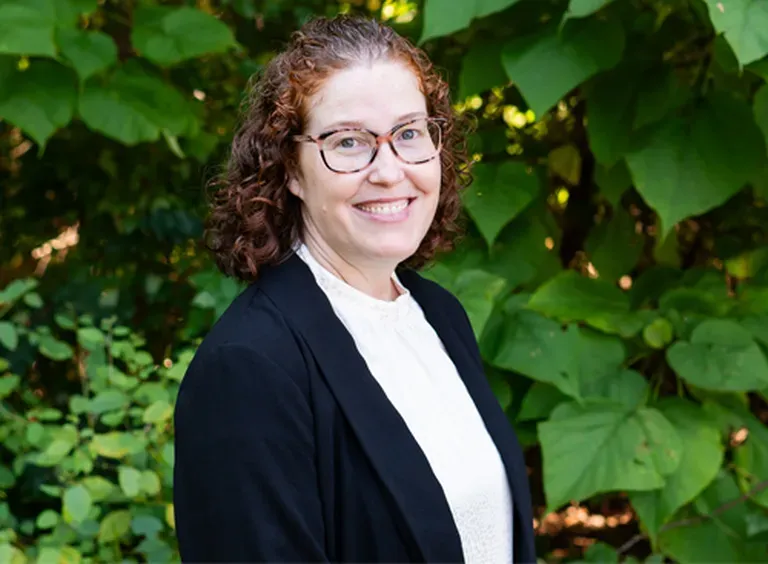
Colleen Callaway, MBA
Executive Director
Colleen is the Executive Director of Hopewell Health Solutions. She manages the treatment schedule, checks on benefits and insurance, and helps with customer relations. Colleen is a graduate of Marist College with a degree in psychology and a minor in social work. She has a Master's in Business Administration with a concentration in Management from Long Island University. Colleen has many years of experience in the business field. When Colleen is not working, she enjoys running and spending time with her husband, kids and two dogs.
Read Full Bio →Medically reviewed by Kristine Schlichting, PhD, Director & Founder.