Resources
Practical, evidence-based guidance on mental health, treatment, and recovery — written and clinically reviewed by our Connecticut team.

Still crying every day three weeks after giving birth? That's longer than the baby blues usually last. Here is how the baby blues and postpartum depression compare, and when to call for help.
Christina (Tina) Lindsay, PMHNP-BC, APRN · October 6, 2026

Snapping at everyone since you had a baby? Postpartum rage is common, it has real triggers, and it is treatable — here is what it feels like, what causes it, and when to call for help.
Tracy Sibley, PMHNP-BC, APRN · October 6, 2026

Autistic and ADHD adults report suicidal thoughts at rates well above the general population, and the reasons are specific: exhaustion from masking, untreated depression, and support built for a different kind of mind.
Tracy Sibley, PMHNP-BC, APRN · September 26, 2026
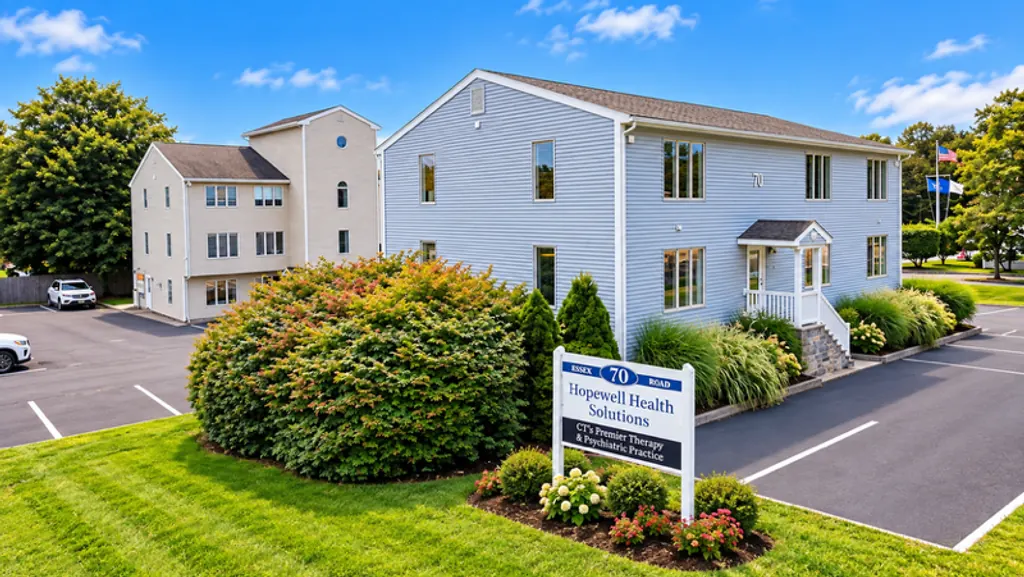
Hopewell Health Solutions is opening a new campus at 70 Essex Road in Westbrook, CT, bringing Women's Wellness IOP, psychiatric medication management, and individual therapy to the Connecticut shoreline starting September 28, with an adult co-occurring IOP following in October.
TJ Aitken, CPSRP · September 24, 2026

About one in three U.S. adults reports feeling lonely, and about one in four say they lack the social and emotional support they need. Loneliness, trauma, and compulsive behaviors quietly erode trust and closeness, and every one of them responds to treatment.
TJ Aitken, CPSRP · September 18, 2026

Dopamine is not the pleasure chemical, and it is not something to maximize. It reinforces behavior, which is why weak dopamine signaling feels like low drive rather than sadness. Here is what the evidence supports about sleep, exercise, nutrition, daylight, goals, and relationships.
Teesha Huertas, LCSW · September 18, 2026

A 2026 review of 19 studies found that problematic use, not general use, was associated with anxiety, and the relationship appears to run both ways: anxiety drives use as escape, while secrecy, lost sleep, conflict, and shame feed the anxiety back.
Teesha Huertas, LCSW · September 17, 2026

Feeling empty is not a diagnosis — it's usually a symptom of something else. Anhedonia, the reduced ability to feel interest or pleasure, appears in 35% to 70% of people with major depression. Here's what's behind the numbness, and how treatment reaches it.
Tracy Sibley, PMHNP-BC, APRN · September 17, 2026

About half of American smartphone users worry they use their phone too much, and among adults under 30 that number climbs to 80%. Scrolling is rarely the whole problem — it is usually how anxiety, low mood, or exhaustion gets managed instead of treated.
Teesha Huertas, LCSW · September 9, 2026
11% of Americans have a panic attack in a given year, but not every one of them looks the way movies portray it. Silent panic attacks bring the same racing heart, chest tightness, and wave of dread as any other panic attack, just without a visible sign anyone would notice.
Colleen Callaway, MBA · August 26, 2026

Recovering from narcissistic abuse takes more than one therapy hour a week for many people. Around half of women who survive intimate partner violence screen positive for probable PTSD and Complex PTSD. See how Hopewell Health Solutions treats narcissistic abuse trauma across Connecticut through trauma-focused counseling, EMDR, DBT, group therapy, and psychiatry coordinated by one team.
Colleen Callaway, MBA · August 25, 2026

Choosing an Intensive Outpatient Program (IOP) means committing to real change while still going home every night to work, family, and real life. At Hopewell Health Solutions, that structure is paired with peer support: recovery coaching and peer-to-peer groups led by people who have lived through similar experiences.
Colleen Callaway, MBA · August 24, 2026

A virtual or in-person IOP both deliver effective care for mental health. For teens, the different formats can accommodate their studies and social life — and improve recovery outcomes.
TJ Aitken, CPSRP · August 10, 2026

When it comes to mood swings vs. a mood disorder, being informed means seeking the right care and living a stable, fulfilled life. Here's how to know the difference.
Tracy Sibley, PMHNP-BC, APRN · July 20, 2026

Depression can be managed without residential care. Here's how an Intensive Outpatient Program treats depression in Connecticut while you keep living at home.
Kaitlyn Czapiga, LMSW · July 6, 2026

Weekly therapy isn't a magic fix for everyone. Here are the signs that you or your teen may need the more structured, frequent support of an IOP.
Tracy Sibley, PMHNP-BC, APRN · July 3, 2026

EMDR is an evidence-based, 8-phase treatment for trauma, anxiety, depression, and substance use disorders. Here's how it works and what to expect.
Teesha Huertas, LCSW · July 1, 2026
Generalized anxiety disorder, social anxiety, health anxiety, and panic disorder can range widely in intensity. Here's how to know when therapy isn't enough.
Tracy Sibley, PMHNP-BC, APRN · June 29, 2026

PHP and IOP are both part of the continuum of care, but they differ in intensity, structure, and flexibility. Here's how to choose the level that's right for you.
Colleen Callaway, MBA · June 26, 2026

The cost of an IOP in Connecticut varies by location, length of program, and how you pay. Here's what to expect with insurance, financing, and out-of-pocket options.
Colleen Callaway, MBA · June 23, 2026

Why the emergency room can't treat the underlying mental health condition behind a crisis, and how IOP and PHP provide the sustained care healing requires.
Teesha Huertas, LCSW · June 9, 2026

Many clients ask whether our IOP and TMS programs qualify for leave under CT Paid Leave or FMLA. Here's how to think about eligibility, documentation, and next steps.
Teesha Huertas, LCSW · May 21, 2026
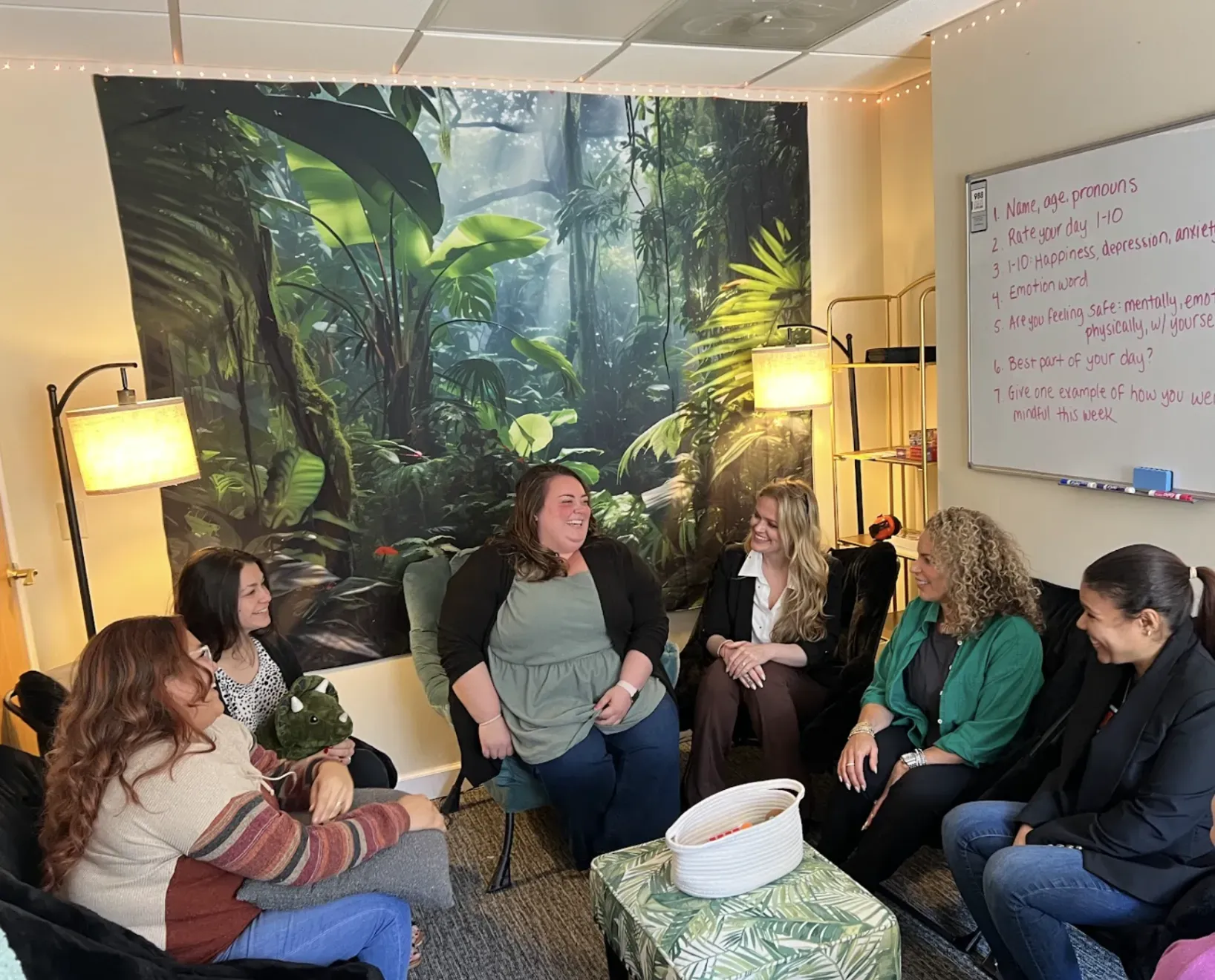
PHP is a structured, intensive level of mental health care for those who need daily support but don't require overnight or inpatient hospitalization.
Teesha Huertas, LCSW · April 2, 2026

How affirming, inclusive behavioral health care removes barriers for LGBTQ+ clients and strengthens the therapeutic alliance and outcomes.
Cassie Gittens, LPC-A · March 3, 2026
A safety plan is a compassionate, practical tool for moments of emotional overwhelm. Learn what it includes and how to create one.
Kristine Schlichting, PhD · January 7, 2026
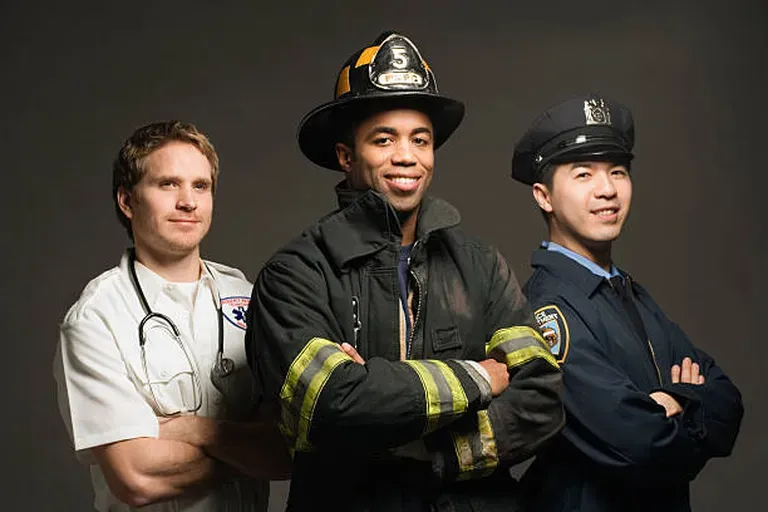
First responder trauma is often chronic, cumulative, and tied to identity, requiring care that combines clinical expertise with cultural understanding.
Teesha Huertas, LCSW · December 22, 2025

Why first responders carry invisible wounds, how cumulative trauma shows up, and how specialized care helps them heal and rebuild resilience.
Teesha Huertas, LCSW · December 15, 2025

How addiction develops differently in women, the warning signs to watch for, and how trauma-informed IOP treatment supports lasting recovery.
Kaitlyn Czapiga, LMSW · December 8, 2025
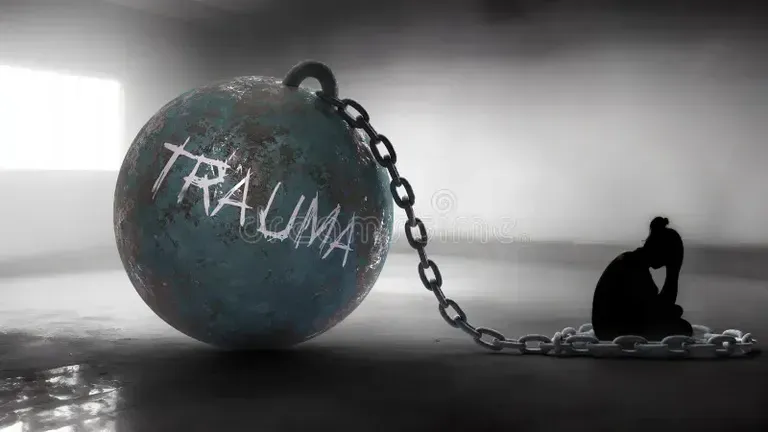
Addiction often begins as a way to escape the pain of trauma. Learn how the two intertwine and how trauma-informed IOP care helps break the cycle.
Teesha Huertas, LCSW · December 1, 2025

How Hopewell's Intensive Outpatient Program offers personalized, compassionate, evidence-based care that meets each person where they are.
Teesha Huertas, LCSW · November 24, 2025
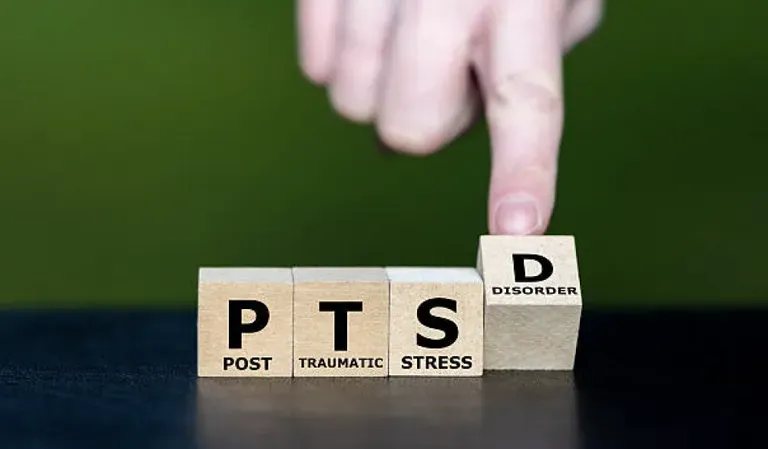
Why PTSD and addiction so often occur together, the cycle they create, and why effective treatment must address both trauma and substance use at once.
Teesha Huertas, LCSW · September 22, 2025
Hopewell Health Solutions addresses six common myths about Intensive Outpatient Programs and clarifies what IOP really is for kids and teens.
Teesha Huertas, LCSW · September 9, 2025

Signs it may be time to see a therapist — overwhelming emotions, strained relationships, unhealthy coping, major life changes, or feeling stuck.
Kristine Schlichting, PhD · August 25, 2025
How an Intensive Outpatient Program (IOP) at Hopewell Health Solutions helps build emotional resilience to bounce back from life's challenges.
Kristine Schlichting, PhD · August 11, 2025

Why the fear of flying often masks a deeper fear of growing up and leaving home, and how therapy can help young adults navigate independence.
Kristine Schlichting, PhD · August 4, 2025
You go to work, pay the bills, keep up appearances — but alcohol plays a bigger role than people know. The signs of high functioning alcoholism.
Teesha Huertas, LCSW · July 28, 2025
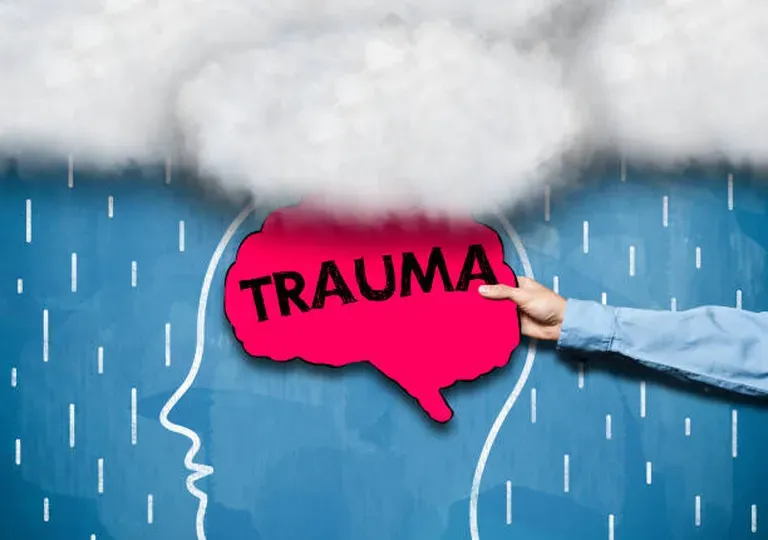
Trauma can be silent and subtle. Learn the common signs you may be experiencing it, why naming it matters, and what to do next.
Teesha Huertas, LCSW · July 21, 2025

Burnout is more than being tired. Learn the signs of job burnout, what causes it, and practical steps you can take to start recovering.
Kristine Schlichting, PhD · July 14, 2025
The upsides and downsides of social media for teens, plus healthy habits to help them navigate the digital world mindfully.
Chris Barclay, Ph.D, BCBA, NCSP · July 7, 2025

Six practical tips for success to help you get the most out of your Intensive Outpatient Program experience.
Teesha Huertas, LCSW · June 30, 2025

How the shift to summer disrupts routines and support systems, the mental health impact, and practical ways to stay grounded.
Kristine Schlichting, PhD · June 24, 2025

How IOP differs from traditional weekly outpatient therapy, and how to know which level of mental health support is right for you or your child.
Teesha Huertas, LCSW · June 20, 2025
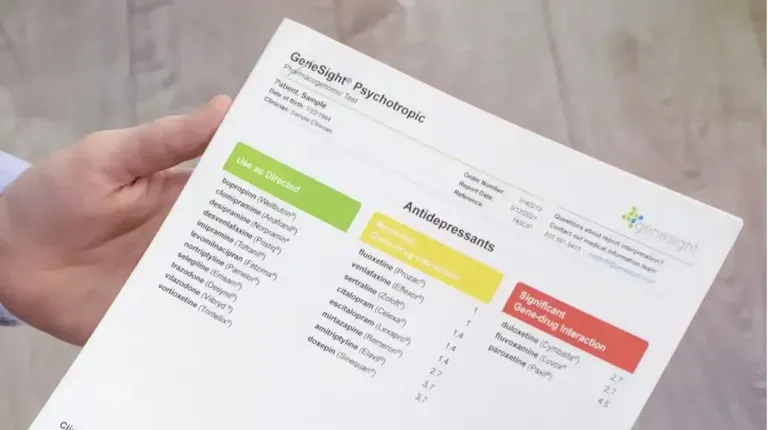
How Hopewell Health Solutions uses Genesight pharmacogenomic testing to tailor psychiatric medication to each client's genetic profile.
Tracy Sibley, PMHNP-BC, APRN · June 9, 2025

Starting an IOP can feel overwhelming. Here are the common challenges clients face when beginning treatment, and how to overcome them.
Teesha Huertas, LCSW · June 2, 2025
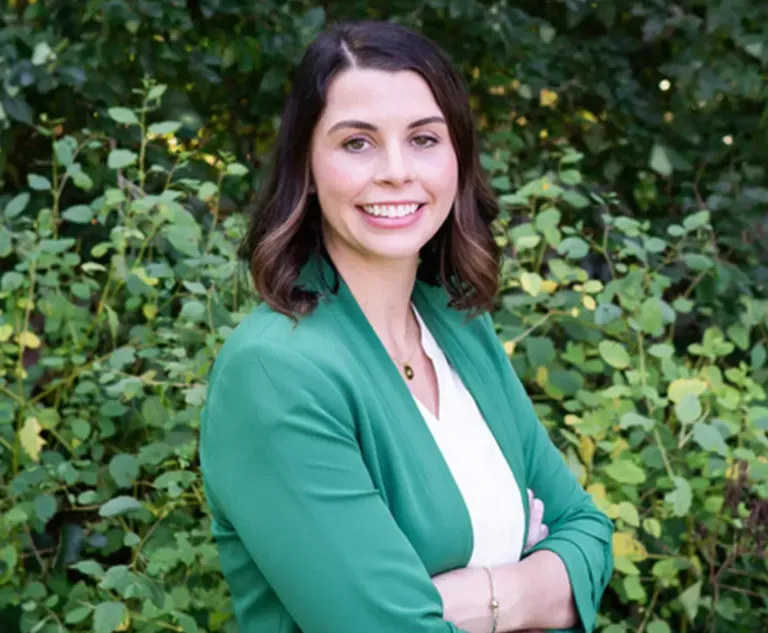
Get to know Katherine Salvador, PA-C, the board-certified physician assistant who leads Medication-Assisted Treatment at Hopewell Health Solutions.
Katherine Salvador, PA-C · May 19, 2025
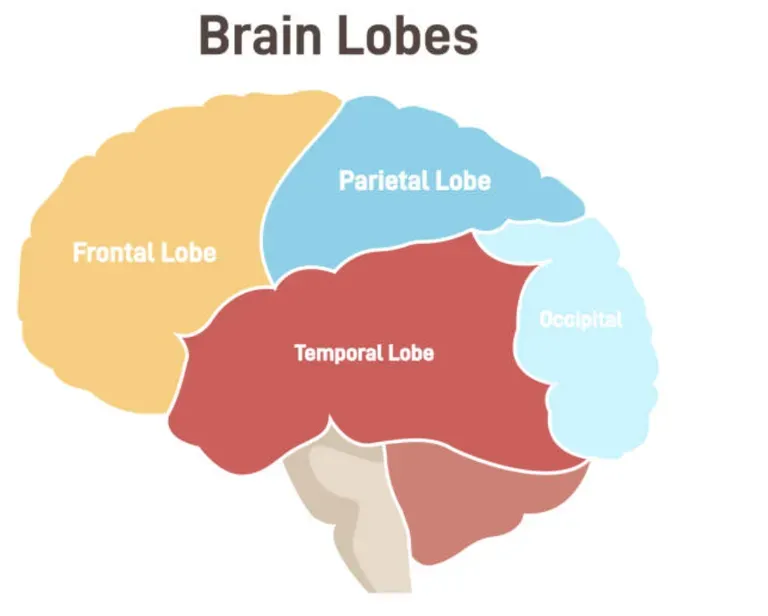
A plain-language overview of TMS (Transcranial Magnetic Stimulation): how it works, what it treats, what treatment entails, side effects, and benefits.
Tracy Sibley, PMHNP-BC, APRN · May 12, 2025
Vivitrol, a once-monthly injectable naltrexone used in Hopewell's MAT program, supports recovery from opioid and alcohol dependence.
Katherine Salvador, PA-C · May 5, 2025
An overview of Suboxone as a medication-assisted treatment for opioid addiction at Hopewell Health Solutions, how it works, and what to expect.
Katherine Salvador, PA-C · April 28, 2025

Why group therapy is a surprisingly healing and empowering approach to social anxiety for children, teens, and adults alike.
Kaitlyn Czapiga, LMSW · April 21, 2025
How Hopewell Health Solutions uses Medication-Assisted Treatment (MAT) to support recovery from substance use disorders with a whole-patient approach.
Katherine Salvador, PA-C · April 14, 2025
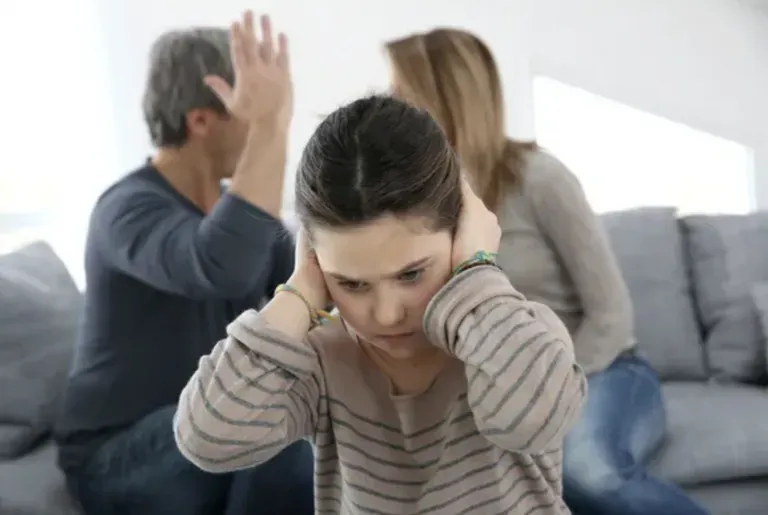
How Intensive Outpatient Programs help bridge individual mental health care and overall family well-being for stronger, more supportive relationships at home.
Teesha Huertas, LCSW · April 7, 2025
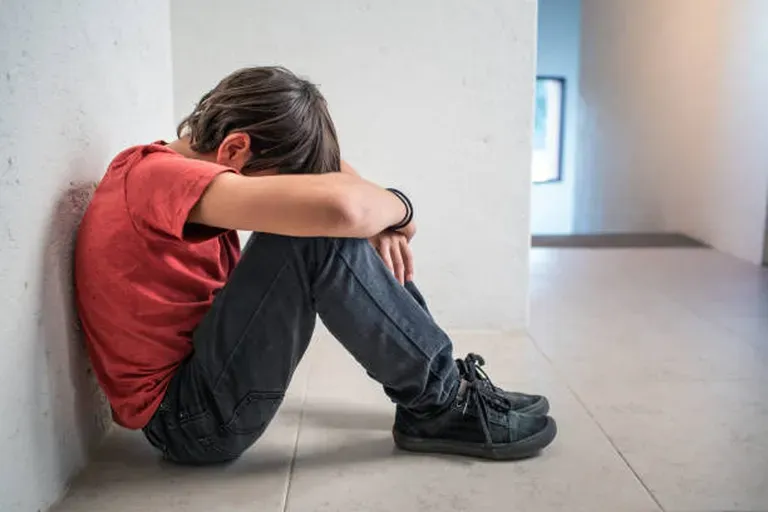
How an Intensive Outpatient Program can be a game-changer for tweens battling depression while they keep living at home and attending school.
Chris Barclay, Ph.D, BCBA, NCSP · March 31, 2025

Why group therapy is a cornerstone of IOP — building connection, accountability, and coping skills that help people heal together.
Kaitlyn Czapiga, LMSW · March 24, 2025

What your first day in Hopewell's IOP looks like: the welcome, meeting others, program overview, group therapy, and the nightly schedule.
Teesha Huertas, LCSW · March 17, 2025

How an Intensive Outpatient Program treats tween anxiety using DBT, mindfulness, group and family therapy, coping skills, and optional medication management.
Chris Barclay, Ph.D, BCBA, NCSP · March 10, 2025

Online therapy expanded access, but the depth of human connection and non-verbal communication make in-person therapy uniquely powerful for healing.
Kaitlyn Czapiga, LMSW · March 3, 2025

How an Intensive Outpatient Program helps people affected by bullying through emotional support, coping skills, confidence building, and family therapy.
Chris Barclay, Ph.D, BCBA, NCSP · February 24, 2025
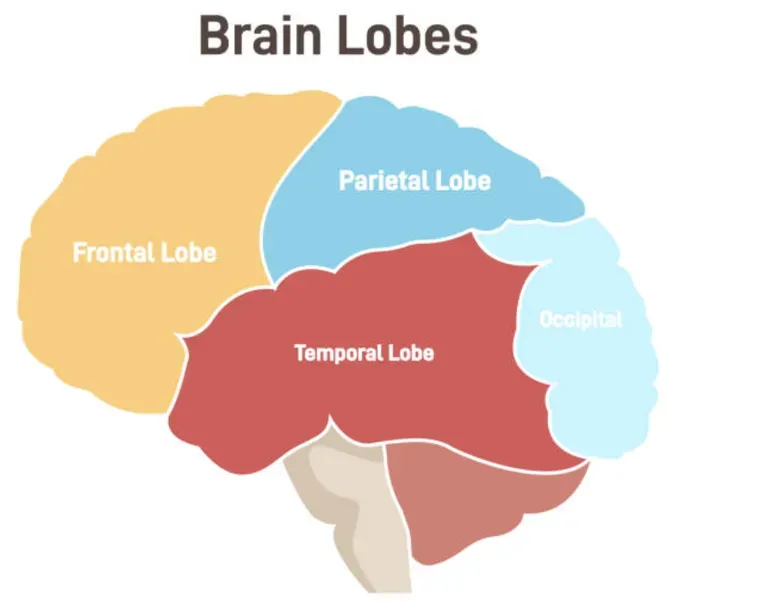
An overview of how SSRIs influence serotonin in the brain and why they are important for treating depression, anxiety, and related conditions.
Tracy Sibley, PMHNP-BC, APRN · February 17, 2025

Five reasons Hopewell Health Solutions' Tween IOP may be the right fit for your child: collaborative care, age-appropriate support, DBT, easy scheduling, and fun.
Chris Barclay, Ph.D, BCBA, NCSP · February 10, 2025

How Dialectical Behavior Therapy (DBT) works, why it's effective, and how Hopewell Health Solutions uses it across its tween, teen, and adult IOP programs.
Kaitlyn Czapiga, LMSW · February 3, 2025

Why Hopewell Health Solutions recommends in-person attendance for its Intensive Outpatient Programs over virtual options.
Kaitlyn Czapiga, LMSW · February 3, 2025
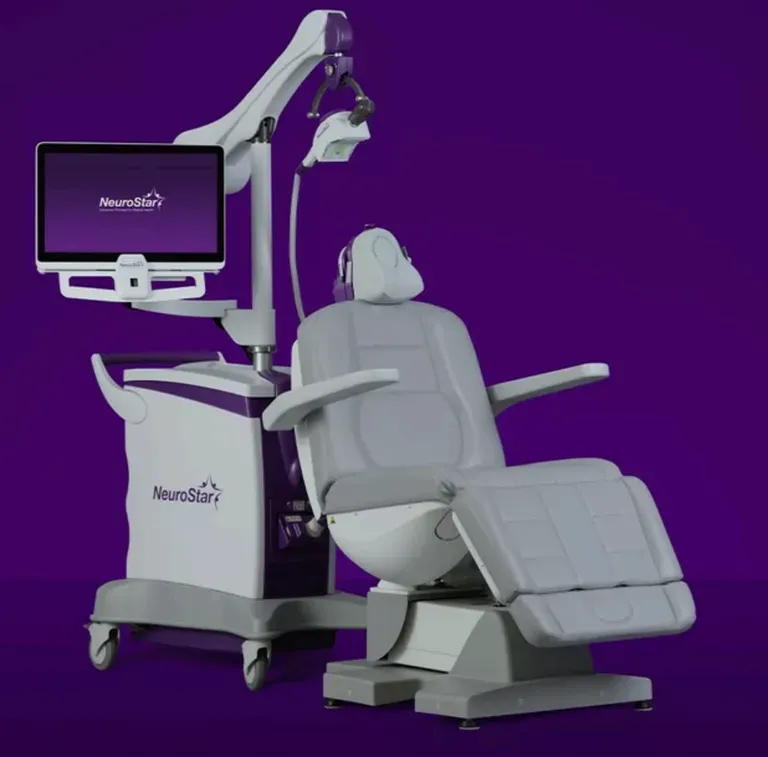
Hopewell Health Solutions now offers NeuroStar TMS, a non-invasive treatment option for adults and teens with treatment-resistant depression.
Tracy Sibley, PMHNP-BC, APRN · January 29, 2025

An 8-week, DBT-informed Women's Trauma Group at Hopewell Health Solutions offering women a safe, supportive space to heal from trauma.
Kaitlyn Czapiga, LMSW · January 29, 2025
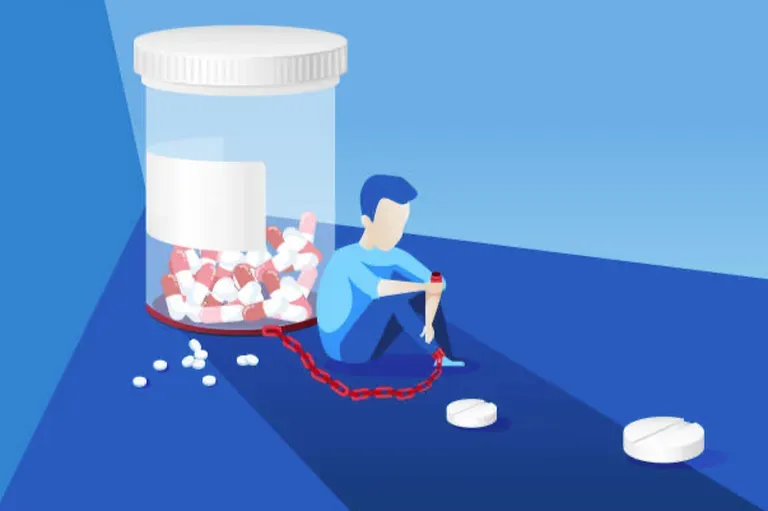
How Hopewell Health Solutions' Substance Use Disorder Intensive Outpatient Program supports recovery through therapy, peer support, and medication management.
Teesha Huertas, LCSW · January 29, 2025

What Seasonal Affective Disorder is, how to recognize its symptoms, and how therapy, medication, and light therapy can help you manage it.
Kristine Schlichting, PhD · December 4, 2024

How psychiatric medications support addiction recovery by reducing cravings, easing withdrawal symptoms, and stabilizing mood.
Tracy Sibley, PMHNP-BC, APRN · November 20, 2024
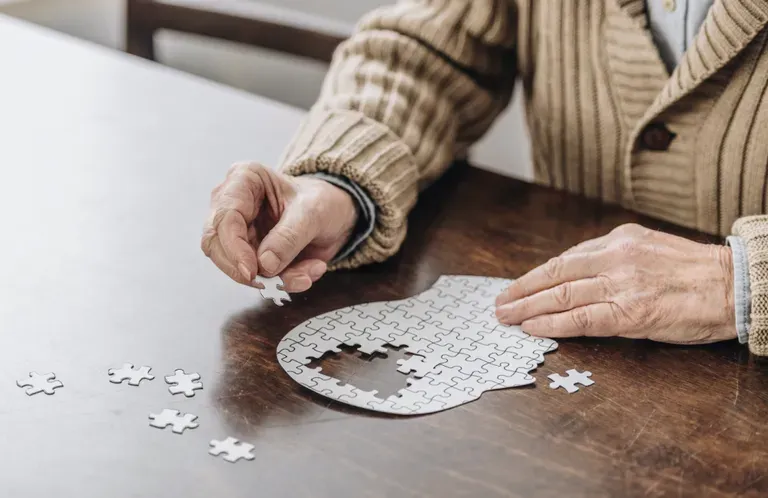
How Intensive Outpatient Programs (IOPs) provide effective, flexible addiction treatment that fits around daily life and supports lasting recovery.
Teesha Huertas, LCSW · November 19, 2024

Addiction reshapes the brain's reward system, but therapy and medication can help rewire it and support lasting recovery.
Tracy Sibley, PMHNP-BC, APRN · October 16, 2024

Expert-recommended coping techniques to help manage anxiety, from mindful breathing and muscle relaxation to therapy, medication, and structured IOP support.
Kristine Schlichting, PhD · October 16, 2024
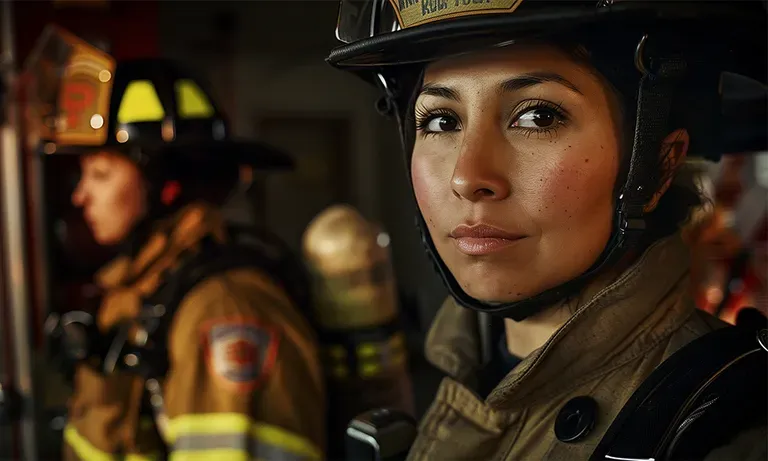
First responders face daily trauma and stress. Recognize the warning signs and learn how specialized therapy can help you heal and regain balance.
Teesha Huertas, LCSW · October 16, 2024

Trauma affects women and men differently — explore those differences and how group therapy helps women process and heal together.
Kaitlyn Czapiga, LMSW · October 16, 2024

A comprehensive guide to medication management: its key components, benefits, common challenges, supporting tools, and who can benefit most.
Tracy Sibley, PMHNP-BC, APRN · October 16, 2024

A look at the factors driving rising mental health struggles in young adults, from pandemic fallout and financial strain to dating and social media.
Kristine Schlichting, PhD · October 16, 2024
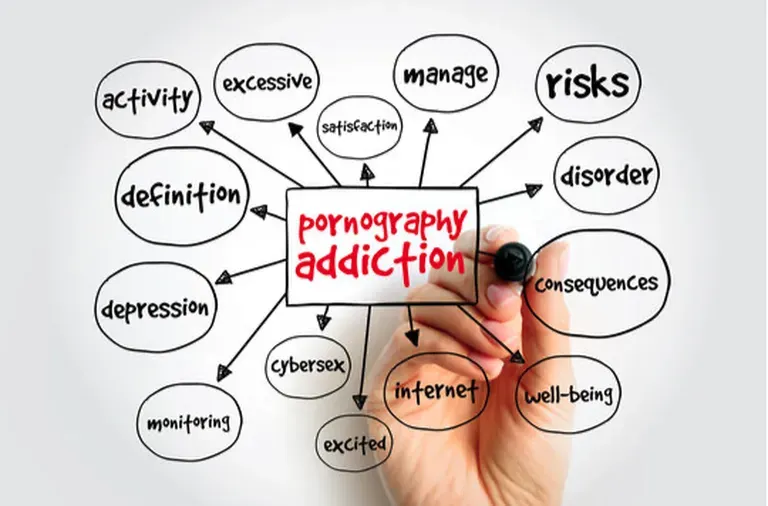
Porn addiction is rarely talked about, yet it can quietly take control of your time, emotions, and relationships. How therapy can help you reclaim power.
Teesha Huertas, LCSW · October 7, 2024

Practical, easy-to-remember tips for parents to help calm a child's anxiety, from breathing exercises and routines to modeling calm and knowing when to seek support.
Chris Barclay, Ph.D, BCBA, NCSP · October 7, 2024

How Hopewell's 8-12 week DBT-based IOPs for children and teens use neuroplasticity to retrain the brain and form healthier emotional patterns.
Teesha Huertas, LCSW · October 7, 2024
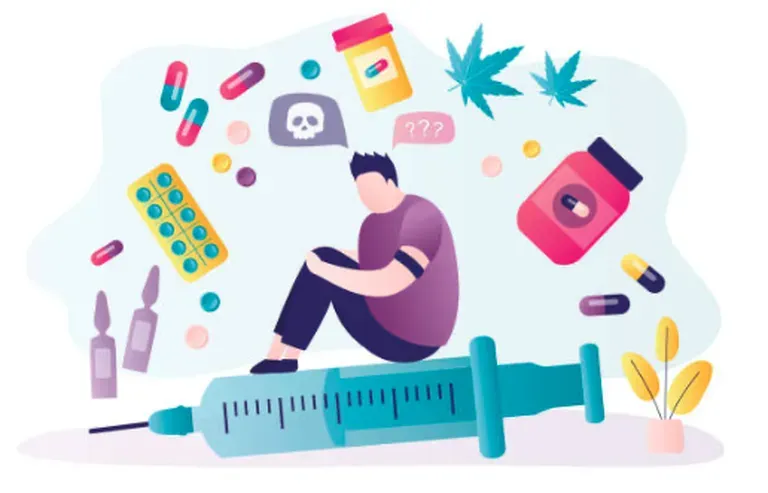
Why young adults face the highest risk of substance use disorders, and how Hopewell Health Solutions helps break the cycle of addiction.
Teesha Huertas, LCSW · October 7, 2024

Addiction is a disease, not a weakness. See how substance use disorder therapy programs give people the tools and support to rebuild their lives.
Teesha Huertas, LCSW · October 7, 2024
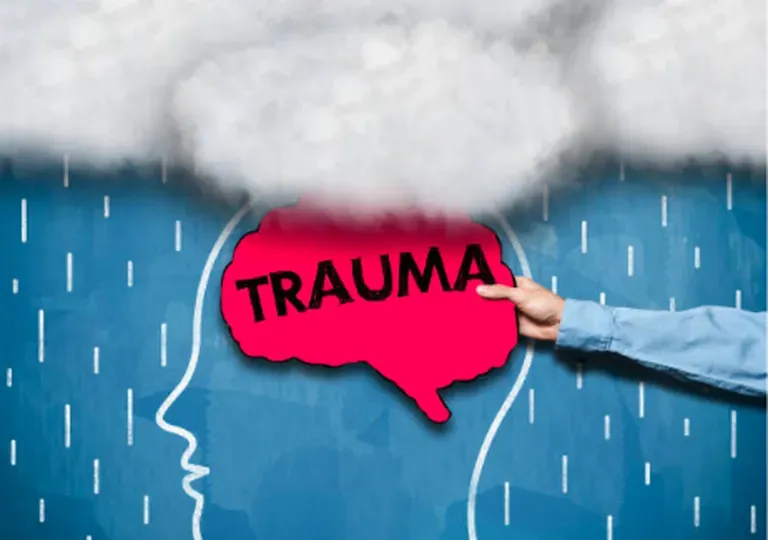
Trauma can feel overwhelming, but grounding, breathing, self-compassion, and trauma-informed therapy offer real tools to find calm within the storm.
Teesha Huertas, LCSW · October 7, 2024
Expert insights on how addiction changes the brain, why willpower isn't enough, and the treatments that make recovery possible.
Teesha Huertas, LCSW · October 7, 2024
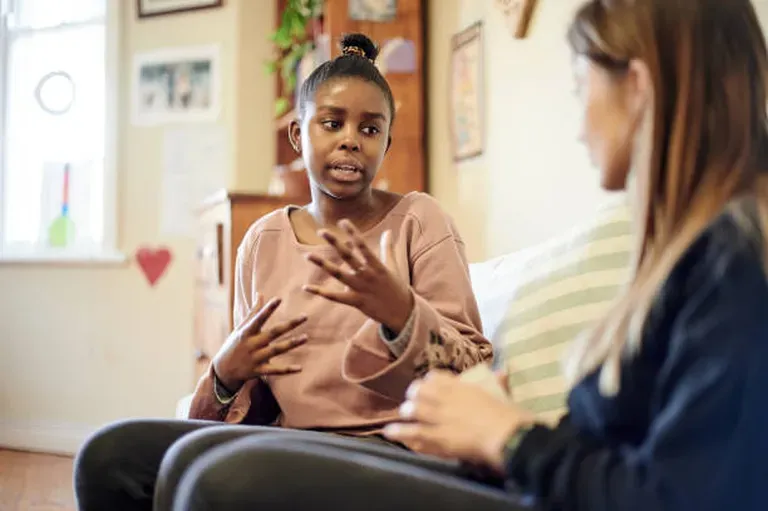
A guide to teen counseling covering the challenges teens face, the goals and benefits of therapy, types of counseling available, and how parents can help.
Chris Barclay, Ph.D, BCBA, NCSP · September 24, 2024

A Hopewell IOP clinician compares inpatient care and intensive outpatient programs to help parents choose the right level of care for their child.
Teesha Huertas, LCSW · September 24, 2024
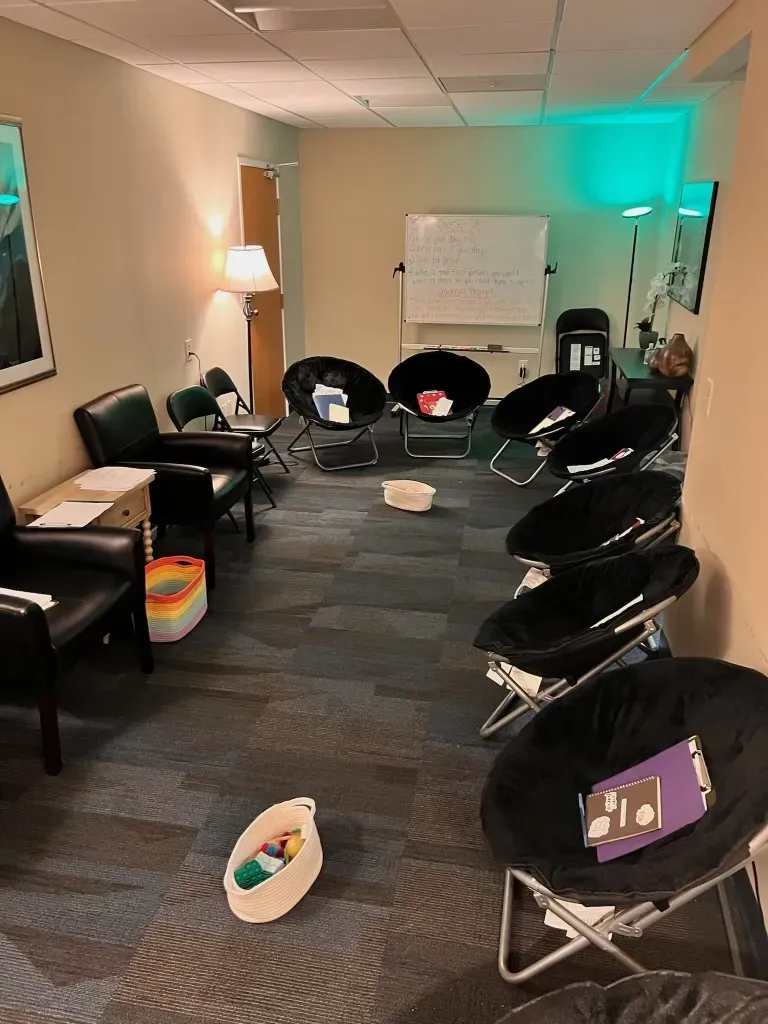
What an Intensive Outpatient Program is, its benefits, and how it compares to inpatient, outpatient, and partial hospitalization care.
Teesha Huertas, LCSW · September 24, 2024

A clinician's guide for parents on spotting a mental health crisis, responding calmly, communicating, and supporting a child's recovery one step at a time.
Chris Barclay, Ph.D, BCBA, NCSP · September 12, 2024

A former school counselor shares insider tips for parents on advocating for their child and building an effective 504 Plan.
Chris Barclay, Ph.D, BCBA, NCSP · February 27, 2017
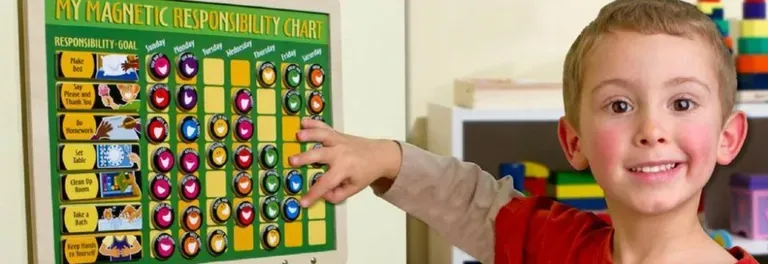
Five practical tips to make behavior charts work in your home, building better behaved kids, stronger self-esteem, and lasting grit.
Chris Barclay, Ph.D, BCBA, NCSP · February 15, 2017
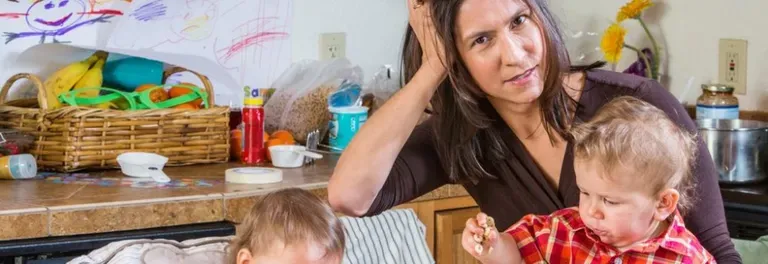
Why having a baby challenges Type A personalities most, and a 3R recipe to reassess, revise, and recalibrate your expectations as a parent.
Chris Barclay, Ph.D, BCBA, NCSP · February 1, 2017

Busy-parent tips for breaking the routine and building happy family memories through new traditions and creative themed nights.
Chris Barclay, Ph.D, BCBA, NCSP · January 18, 2017

Dr. K shares the life lessons skiing has taught her about facing fear, embracing intensity, and getting back up after every fall.
Kristine Schlichting, PhD · January 11, 2017
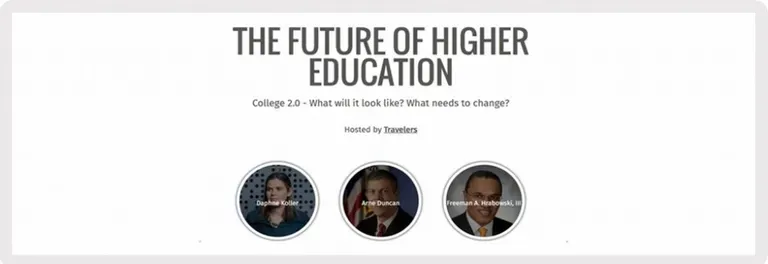
Takeaways from a CT Forum panel on the future of American education, and what they mean for how parents guide and support their kids.
Chris Barclay, Ph.D, BCBA, NCSP · January 9, 2017
91 articles · more on the way