
An Intensive Outpatient Program (IOP) means structured therapy several days a week while still living at home, working, going to school, or parenting, not a hospital stay. At Hopewell Health Solutions, IOP runs across several tracks, each built around a different life and a different kind of peer connection.
What Is an Intensive Outpatient Program (IOP), and Who Is It Actually For?
An IOP sits between once-a-week counseling and a hospital stay. It combines individual and group counseling, skills-based psychotherapy, psychiatric medication management, and experiential therapy, all while someone keeps living at home.
Hopewell Health Solutions built its IOP tracks around specific people, not a single mold, catering to:
- Depression and mood disorders
- Anxiety and panic disorders
- Post-Traumatic Stress Disorder (PTSD)
- Self-injury or suicidal thoughts
- School refusal or social withdrawal in adolescents
- Trauma and relational difficulties
- Emotional dysregulation during life transitions
- Substance use and addiction, and more.
Every track welcomes people regardless of gender identity, sexual orientation, cultural background, or diagnosis.
Who Benefits Most From an IOP?
People who need more support than weekly therapy but do not need round-the-clock supervision. That includes adults whose depression or anxiety has stopped responding to less intensive care, adolescents pulling away from school and friends, women working through trauma, and adults building a life after substance use.
What Do Hopewell's Different IOP Tracks Actually Look Like?
Not every IOP at Hopewell Health Solutions runs the same schedule or serves the same group. Six tracks run Monday through Thursday, though the hours and length shift depending on who each one treats:
Tween IOP, for ages 8 to 12, meets from 4:30 to 7:30 PM. Teen IOP, for ages 13 to 17, meets from 5 to 8 PM, with family involvement built into the work for both adolescent tracks.
Women's Wellness IOP offers adults a 9 AM to noon or 5 to 8 PM track, over 8 to 12 weeks, blending DBT, EMDR, somatic therapy, and Trauma-Focused CBT for burnout, anxiety, stress, and life transitions.
Women's Trauma IOP runs the same Monday-through-Thursday pattern from 5 to 8 PM for about eight weeks, built specifically around trauma recovery in a women-only group, apart from Women's Wellness IOP's broader focus.
Adult Co-Occurring IOP runs the same hours as Women's Wellness and treats substance use alongside the mental health conditions that usually travel with it.
First Responder IOP serves current and retired police, fire, EMS, corrections, and 911 dispatch, meeting Monday through Thursday from 9 AM to noon for about eight weeks, built by first responders for first responders.
A separate Substance Use IOP runs a tighter schedule, three to five sessions a week for about six to eight weeks, built specifically around addiction recovery.
What Approaches Actually Show Up in a Session?
Across tracks, sessions blend Dialectical Behavior Therapy (DBT), Cognitive Behavioral Therapy (CBT), Interpersonal Therapy, mindfulness, and experiential work like art therapy, music therapy, and yoga therapy.
The Substance Use IOP adds relapse-prevention education, life-skills training, and Medication-Assisted Treatment (MAT) when it is part of someone's plan. Every track is run by a multidisciplinary team with ten to thirty years of experience.
Why Peer Support Changes What the IOP Experience Feels Like
Clinical therapy teaches skills. Peer support proves those skills work, because the person teaching them has used them under real pressure. Peer recovery support services are delivered by people with their own lived experience of substance use and recovery. A growing body of research ties peer involvement to stronger treatment engagement and retention.
That peer connection runs strongest through Hopewell's Substance Use and Adult Co-Occurring tracks, where peer-to-peer groups and recovery coaching run alongside clinical care rather than replacing it.
The same week that includes CBT and DBT also includes conversations with someone who has already lived through the parts that feel unbearable.
What Does a Peer Recovery Specialist Do That a Therapist Does Not?
A Certified Peer Support and Recovery Professional is not there to diagnose or run clinical sessions. They are there to know, from the inside, what a bad Tuesday in early recovery actually feels like.
Peer support specialists often show up for clients in the moments between therapy sessions to help work through a craving, process a difficult family conversation, or simply feel less alone in a process that can be profoundly isolating.
That distinction matters more than it sounds; clients in integrated outpatient programs consistently point to the relationships they build, peer and clinical alike, as one of the things that made treatment feel survivable rather than just endurable.
What Do People Get Wrong About Going Through IOP?
The most common assumption is that IOP is the easier version of treatment, since clients go home every night. In practice, IOP asks someone to sit in group therapy at nine in the morning, then go handle a work shift, a school pickup, or a family dinner by evening.
Staying connected to work, family, and community while in treatment gives people something to practice new coping skills on immediately, rather than relearning how to live only after treatment ends.
The people, the stress, and the schedule that shaped the substance use are still there. So is the chance to practice something different against them, the same week it gets taught.
Is IOP Actually Effective, or Just More Convenient Than Residential Treatment?
Convenience and effectiveness are not opposites here. Retention in integrated outpatient treatment has been documented above 90%, alongside measurable reductions in both substance use and co-occurring mental health symptoms.
When Does Someone Need Inpatient Care Instead of IOP?
Severe withdrawal, a need for medical detox, or a need for around-the-clock supervision are the clearest signs that inpatient or residential care should come first. IOP is designed for the stage after that, once someone is medically stable and ready to build a healthier life while still living inside it.
What Happens During Admissions
Getting started moves through four steps:
- Reaching out
- A free insurance verification
- A clinical assessment to match someone with the right track
- Beginning care at the level that actually fits
Hopewell Health Solutions accepts most major PPO insurance plans and Tricare, though not Medicaid or HUSKY, and the admissions team checks benefits before anyone makes any commitments.
What Matters Most
- Hopewell runs several IOP tracks, each built around a specific age group or need.
- Sessions blend DBT, CBT, interpersonal therapy, mindfulness, and experiential work, with relapse prevention, life skills, and MAT layered in for substance use.
- Peer support from people with recovery experience anchors the day-to-day feel of treatment, especially in the Substance Use and Adult Co-Occurring tracks.
- IOP is not the easier option. It asks people to hold treatment and daily life together at the same time — and this contact with real life helps drive its strong retention and outcomes.
Take the Next Step With Hopewell Health Solutions
Hopewell Health Solutions is Connecticut's outpatient mental health and psychiatry team, offering Intensive Outpatient Programs (IOP) across tween, teen, women's, and adult tracks, along with Partial Hospitalization (PHP), psychiatry, and medication management from locations in Glastonbury, West Hartford, East Hampton, and Westbrook.
If you or someone you love is ready to move forward in recovery, reach out today, confidentially, with no pressure.
Sources
- Castedo de Martell, S., et al. (2025). What We Know About the Peer Workforce and Economic Evaluation for Peer Recovery Support Services: A Systematic Review. Substance Use and Addiction Journal, 46(1), 90-102.
- Bador, K., et al. (2025). Clients' Experiences and Satisfaction With an Integrated Intensive Outpatient Program for Substance Use Disorders. Actas Españolas de Psiquiatría, 53(2).
Written by
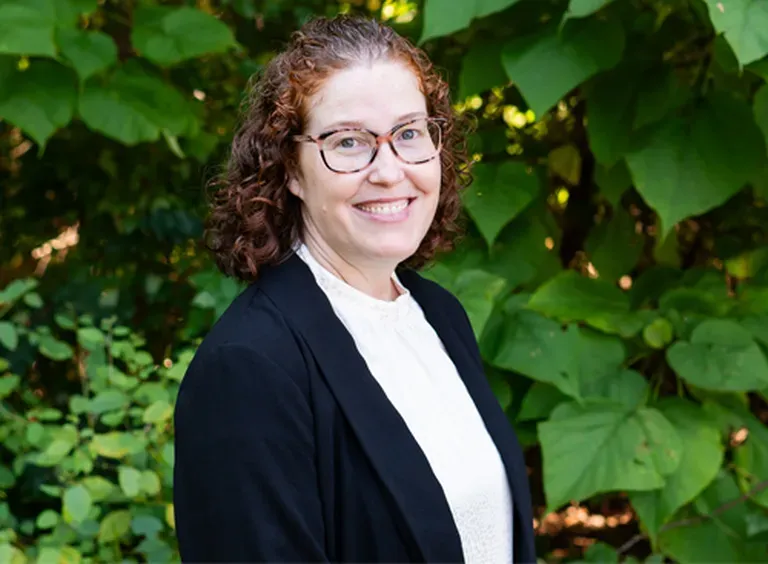
Colleen Callaway, MBA
Executive Director
Colleen is the Executive Director of Hopewell Health Solutions. She manages the treatment schedule, checks on benefits and insurance, and helps with customer relations. Colleen is a graduate of Marist College with a degree in psychology and a minor in social work. She has a Master's in Business Administration with a concentration in Management from Long Island University. Colleen has many years of experience in the business field. When Colleen is not working, she enjoys running and spending time with her husband, kids and two dogs.
Read Full Bio →Medically reviewed by Kristine Schlichting, PhD, Director & Founder.