
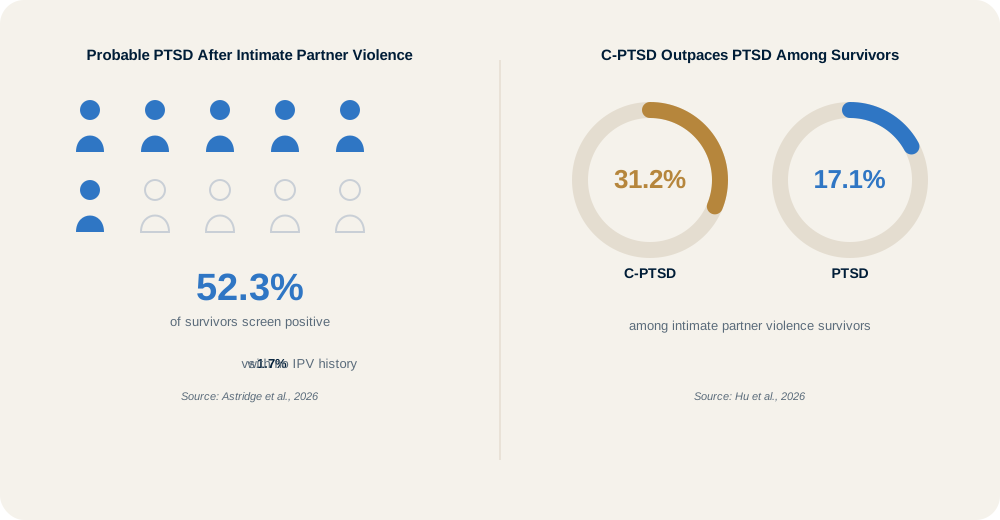
Recovering from narcissistic abuse usually calls for trauma-focused treatment rather than general talk therapy, because the damage settles into the nervous system and into your sense of self. A 2026 study found probable Post-Traumatic Stress Disorder (PTSD) in 52.3% of women who experienced intimate partner violence, compared with 1.7% of women who had not experienced it. When weekly sessions no longer reduce symptoms, the level of care usually needs to change.
What Is Narcissistic Abuse, and Why Does It Cause Trauma?
Narcissistic abuse describes a sustained pattern of manipulation, blame-shifting, and control by a partner, parent, or family member with strongly narcissistic traits. It is rarely one incident. It accumulates.
Researchers studying coercive control describe that accumulation directly: the ongoing removal of autonomy builds an environment of helplessness and fear that damages a person's sense of self.
Psychological abuse also carries consequences on the scale of physical violence. A meta-analysis found coercive control moderately associated with both PTSD and depression, at strengths comparable to those reported for physical abuse.
Is Narcissistic Abuse a Formal Diagnosis?
No, and that gap is one reason survivors get misread. What clinicians do diagnose are the consequences: PTSD, Complex Post-Traumatic Stress Disorder (C-PTSD), Major Depressive Disorder, anxiety disorders, and Substance Use Disorder.
Among intimate partner violence survivors in a 2026 sample, C-PTSD was more common than PTSD, at 31.2% versus 17.1%.
What Are the Long-Term Effects of Narcissistic Abuse?
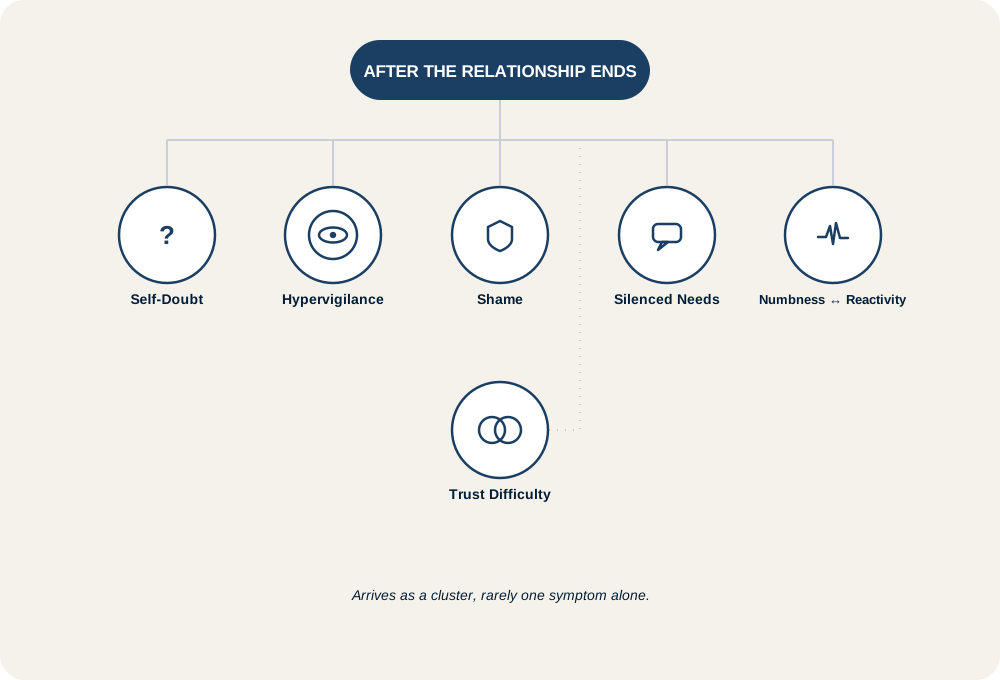
The pattern survivors describe is consistent, and it tends to arrive as a cluster rather than a single symptom:
- Chronic self-doubt, including second-guessing your own memory of events
- Hypervigilance, startling easily, or scanning other people for early signs of anger
- Shame that does not respond to reassurance
- Difficulty naming what you want or need without apologizing for it
- Numbness that alternates with sudden, disproportionate reactions
- Trouble trusting new partners, friends, or even your own clinicians
In that same 2026 study, affected people with C-PTSD carried more severe problems across nearly every measure, including anxiety, depression, attachment, and social support.
Why Weekly Therapy Alone May Not Be Enough
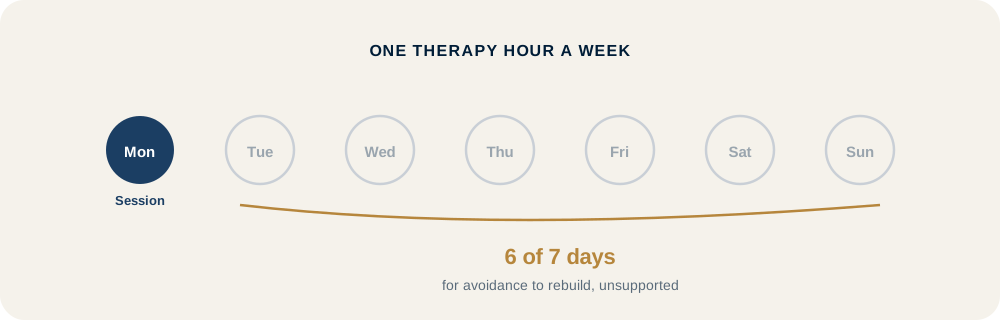
One session a week leaves six days for avoidance to rebuild. Progress made on a Tuesday can be gone by the following Monday. Survivors of long-term abuse often spend those six days managing the fallout without support.
A 2025 clinical trial compared an eight-day intensive treatment program against traditionally spaced weekly treatment for PTSD and C-PTSD. Both produced large symptom reductions that held at follow-up, with no significant difference between them, and dropout was significantly lower in the intensive format.
How Do You Know You Need More Than Weekly Therapy?
These signs point toward a higher level of care:
- Symptoms affect your sleep, work, or parenting most days of the week
- You leave sessions raw and spend the rest of the week alone with it
- A year or more of therapy has produced insight but little relief
- You are isolated, and therapy is your only regular contact about what happened
- You are drinking or using more to get through the evenings
What Level of Care Treats Narcissistic Abuse Trauma?
Hopewell Health Solutions offers a full continuum of outpatient care, so the level can change without the team changing. Weekly counseling sits at one end. An Intensive Outpatient Program (IOP) runs three hours a day, four days a week. A Partial Hospitalization Program (PHP) delivers full-day treatment, the highest level of care available outside a hospital or residential treatment center.
That structure matters after narcissistic abuse, because progress is rarely linear. You can step up during a hard stretch, then step back down, without starting over with a new clinician.
What Happens in a Trauma-Focused IOP?
Our Women's Trauma IOP meets Monday through Thursday, 5 PM–8 PM, for roughly eight weeks, and can be extended based on your progress. The program includes:
- Individual and group therapy
- Creative and expressive work with art, music, and movement
- Psychoeducation and coping skills
- Optional medication management
- Optional family therapy
- Support for any concurrent substance use
- Step-down planning before you finish
Evening hours exist for a reason. Most survivors cannot pause work or parenting to recover. Adults who want a mixed-gender setting begin in our Adult Co-Occurring IOP.
Which Treatments Help Most After Narcissistic Abuse?
Eye Movement Desensitization and Reprocessing (EMDR) targets the memories that talking has not reached. Dialectical Behavior Therapy (DBT) rebuilds emotional regulation and boundary-setting. Accelerated Resolution Therapy (ART) and group therapy address the isolation and shame that keep survivors quiet.
Where medication belongs in the plan, our prescribers build it individually rather than by default. For depression that has not responded to medication and therapy, we offer Transcranial Magnetic Stimulation (TMS). Neuropsychological testing is available when the diagnostic picture stays unclear.
Does Insurance Cover Trauma Treatment in Connecticut?
Hopewell is in-network with most major plans, and our team verifies your benefits at no cost before you commit to anything. Because coverage varies by plan and by level of care, verification is the reliable way to find out what applies to you.
What Matters Most
- Narcissistic abuse is not a diagnosis, but its consequences are, and PTSD, C-PTSD, depression, and anxiety are the most common of them.
- C-PTSD was more common than PTSD among intimate partner violence survivors in a 2026 study, and that group carried heavier symptoms across the board.
- Frequency and structure matter: intensive programs matched weekly treatment on symptom reduction while losing fewer people along the way.
- Hopewell offers counseling, IOP, and PHP across six Connecticut locations, so the level of care can change without the team changing.
There Is Hope to Heal
If you are rebuilding after narcissistic abuse and weekly therapy is not enough, Hopewell Health Solutions provides trauma-focused outpatient care from facilities in Glastonbury, West Hartford, East Hampton, and Westbrook, Connecticut, plus telehealth across the state.
More than 50 licensed clinicians, prescribers, psychologists, and therapists work here, in a Joint Commission accredited practice.
We will help you find the right level of care. Speak with admissions today. Call (860) 735-1448.
Sources
- Astridge, A., et al. (2026). Prevalence and Predictors of Post-Traumatic Stress Disorder, Depression, and Anxiety Among Community-Dwelling Women Victim-Survivors of Intimate Partner Violence. Social Psychiatry and Psychiatric Epidemiology.
- Kassing, K. and Collins, A. (2026). "Slowly, Over Time, You Completely Lose Yourself": Conceptualizing Coercive Control Trauma in Intimate Partner Relationships. Journal of Interpersonal Violence, 41(3-4), 662-684.
- Lohmann, S., et al. (2024). The Trauma and Mental Health Impacts of Coercive Control: A Systematic Review and Meta-Analysis. Trauma, Violence, & Abuse, 25(1), 630-647.
- Hu, J.H., et al. (2026). The Prevalence and Risk Factors of Complex Post-Traumatic Stress Disorder in Victims of Intimate Partner Violence. Journal of Psychiatric Research, 194.
- Gahnfelt, H., et al. (2025). 8-Day Intensive Treatment Programme for PTSD and Complex PTSD vs Treatment as Usual: A Clinical Trial. European Journal of Psychotraumatology, 16(1), Article 2553422.
Written by
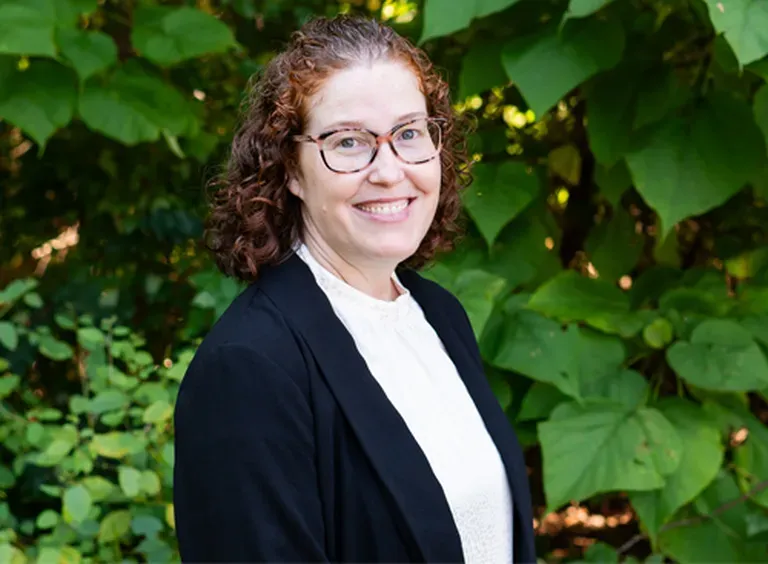
Colleen Callaway, MBA
Executive Director
Colleen is the Executive Director of Hopewell Health Solutions. She manages the treatment schedule, checks on benefits and insurance, and helps with customer relations. Colleen is a graduate of Marist College with a degree in psychology and a minor in social work. She has a Master's in Business Administration with a concentration in Management from Long Island University. Colleen has many years of experience in the business field. When Colleen is not working, she enjoys running and spending time with her husband, kids and two dogs.
Read Full Bio →Medically reviewed by Kristine Schlichting, PhD, Director & Founder.