

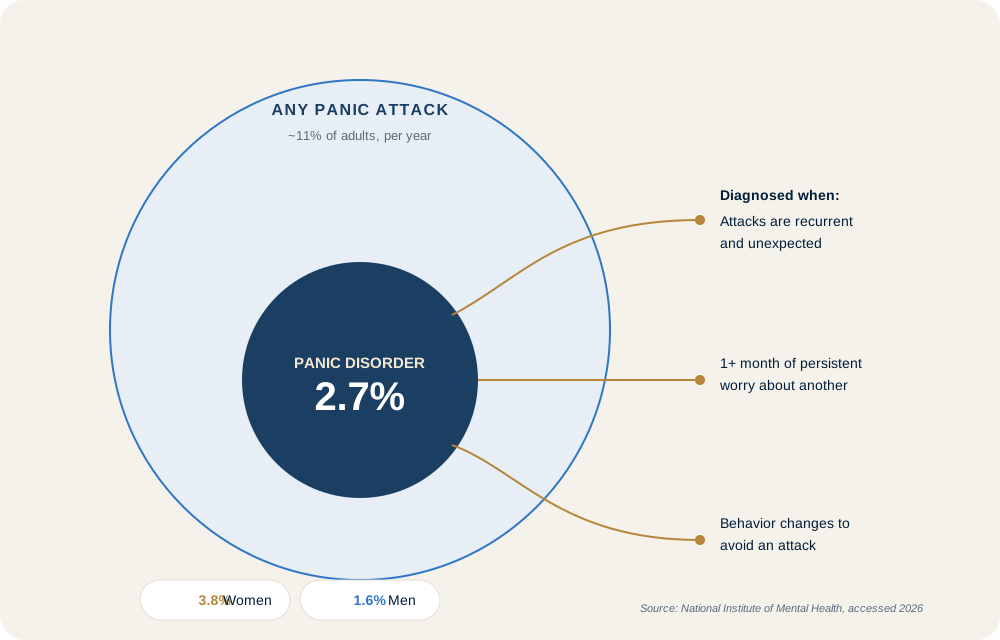
About 11% of Americans have a panic attack in a given year, and panic disorder affects 2.7% of adults. Not every panic attack looks the way it does in movies. Silent panic attacks bring the same racing heart, chest tightness, and wave of dread, just without any outward signs, which makes them so easy to miss and so isolating.
What Is a Silent Panic Attack?
A silent panic attack is not a separate diagnosis to a panic disorder or other mood disorder. It is the same abrupt surge of intense fear that defines any panic attack, but it plays out almost entirely on the inside.
Where a typical panic attack might include visible shaking, gasping, or crying, a silent panic attack stays contained behind a calm face and a steady voice. The heart is racing, the chest feels tight, the mind is bracing for disaster, and none of it shows visibly.
That gap between the internal experience and the outward appearance is what makes silent panic attacks so disorienting. A person can be sitting through a work meeting or a family dinner, fully composed on the outside, while quietly convinced something is going seriously wrong on the inside.
Can You Have a Panic Attack and Have No One Notice?
Yes. Because the physical intensity of a silent panic attack does not translate into visible signs, family, friends, and coworkers often have no idea it happened. Some people describe getting through an entire attack at their desk or in a crowded room without a single person asking if they are okay.

What Are the Symptoms of a Silent Panic Attack?
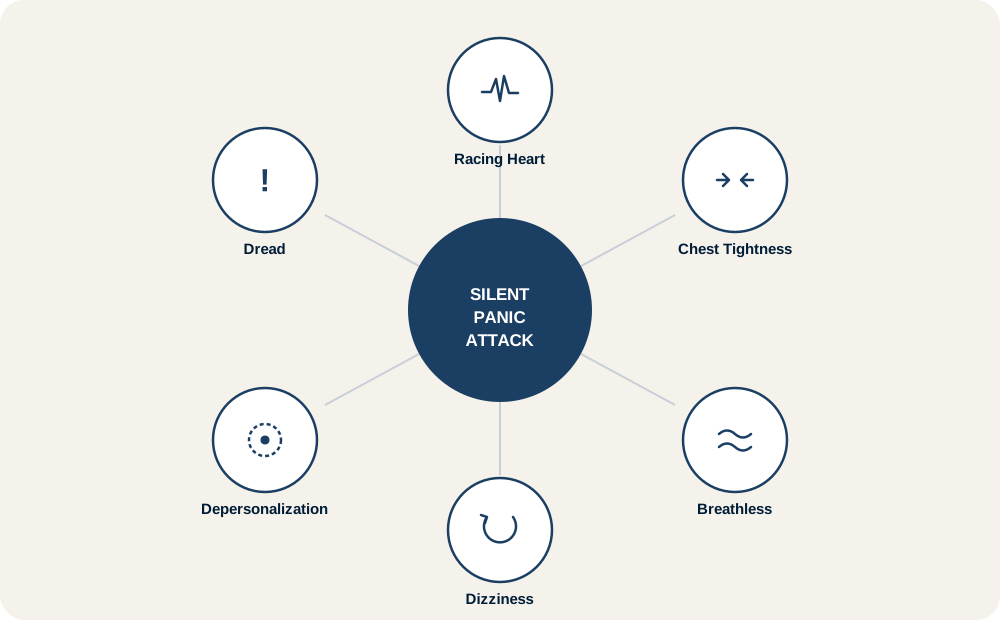
The internal symptoms of a silent panic attack match the clinical criteria for any panic attack. A panic attack is diagnosed when four or more of these symptoms appear together in an abrupt surge that peaks within minutes.
Common symptoms include:
- A pounding, racing, or irregular heartbeat
- Tightness or pressure in the chest
- Shortness of breath that feels severe internally but looks like normal breathing
- Dizziness or lightheadedness
- Nausea or stomach distress
- Depersonalization or derealization, a sense of watching yourself from outside your own body
- An overwhelming sense of dread, or a fear of losing control
How Long Does a Silent Panic Attack Last?
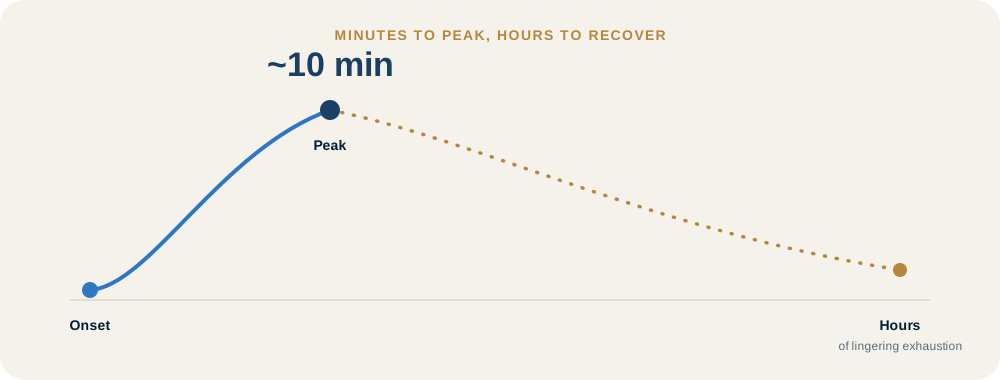
Most panic attacks, silent or not, peak within about ten minutes and begin to ease shortly after.
The lingering exhaustion and low-grade dread that follows can last much longer, especially when the person spends that time trying to look normal for whoever is around them.
Why Do Silent Panic Attacks Happen?
Researchers do not fully understand why some panic attacks stay internal while others become visible, but a few patterns show up consistently.
A family history of anxiety or panic disorder increases the likelihood of panic attacks. Beyond genetics, some people have simply learned, over years of practice, to keep their physical reactions from reaching their face or their voice. This specifically applies to the settings where composure feels required: client meetings, classrooms, caregiving, or environments where showing distress doesn't feel like an option.
Does Masking Anxiety Make It Worse?
Suppressing the outward signs of panic does not reduce what is happening internally, and it can make the experience more isolating over time. Hiding a panic attack takes real effort, and that effort on top of the panic itself leaves many people feeling more depleted.
Left unaddressed, the pattern can also reinforce the belief that the panic has to be hidden, which makes it harder to ask for help later.
How Is a Silent Panic Attack Different From Panic Disorder?
A single panic attack, silent or otherwise, does not necessarily mean someone has panic disorder.
Panic disorder is diagnosed in these scenarios:
- When panic attacks become recurrent and unexpected
- When an attack is followed by at least a month of persistent worry about having another one
- When the affected person shows changes in behavior meant to avoid a panic attack
An estimated 2.7% of U.S. adults were diagnosed with panic disorder in the past year, and past-year prevalence is higher for women (3.8%) than for men (1.6%).
When Should You Seek Treatment for Silent Panic Attacks?
An occasional, isolated panic attack does not always call for treatment.
Consider reaching out for support if:
- The attacks are becoming more frequent or more intense
- You have started avoiding places, people, or situations to prevent them
- Hiding the physical symptoms is becoming exhausting or constant
- Physical symptoms have sent you to urgent care or the emergency room more than once
- The effort of appearing fine is affecting your work, your relationships, or your sense of yourself
What Treatment Options Help With Silent Panic Attacks?
Cognitive Behavioral Therapy (CBT) is the most well-supported approach for panic attacks and panic disorder, often paired with interoceptive exposure, a technique that helps the body become less reactive to the physical sensations that trigger panic in the first place.
A 2025 review of digital CBT programs found that interoceptive exposure consistently strengthened treatment outcomes for panic disorder and agoraphobia.
Depending on what a person needs, treatment may also include individual therapy, medication management, or a higher level of structured support such as an Intensive Outpatient Program (IOP) for panic that has become frequent or debilitating.
What Matters Most
- A silent panic attack is just as real, and just as intense, as a panic attack that can be seen.
- Looking calm on the outside does not mean the fear on the inside is any less severe.
- One panic attack does not automatically mean panic disorder, but a recurring pattern is worth considering a diagnosis.
- Hiding it takes energy that could go toward getting better instead.
- Treatment, especially Cognitive Behavioral Therapy (CBT) with interoceptive exposure, has strong evidence behind it and can help panic lose its grip.
Take the First Step Toward Calm with Hopewell Health Solutions
If you have been managing panic quietly, on your own, and for longer than you would like to admit, Hopewell Health Solutions can help you.
Hopewell Health Solutions is a mental health and psychiatry team in Connecticut, offering Intensive Outpatient Programs (IOP) and Partial Hospitalization Programs (PHP), psychiatry, and medication management from locations in Glastonbury, West Hartford, East Hampton, and Westbrook.
Reach out today, confidentially, with no pressure.
Sources
- National Institute of Mental Health. (Accessed 2026). Panic Disorder. nimh.nih.gov.
- Cackovic, C., Nazir, S., and Marwaha, R. (2026). Panic Disorder. StatPearls.
- Jung, H.W., et al. (2025). Digital Cognitive Behavioral Therapy for Panic Disorder and Agoraphobia: A Meta-Analytic Review of Clinical Components to Maximize Efficacy. Journal of Clinical Medicine, 14(5), Article 1771.
Written by

Colleen Callaway, MBA
Executive Director
Colleen is the Executive Director of Hopewell Health Solutions. She manages the treatment schedule, checks on benefits and insurance, and helps with customer relations. Colleen is a graduate of Marist College with a degree in psychology and a minor in social work. She has a Master's in Business Administration with a concentration in Management from Long Island University. Colleen has many years of experience in the business field. When Colleen is not working, she enjoys running and spending time with her husband, kids and two dogs.
Read Full Bio →Medically reviewed by Kristine Schlichting, PhD, Director & Founder.